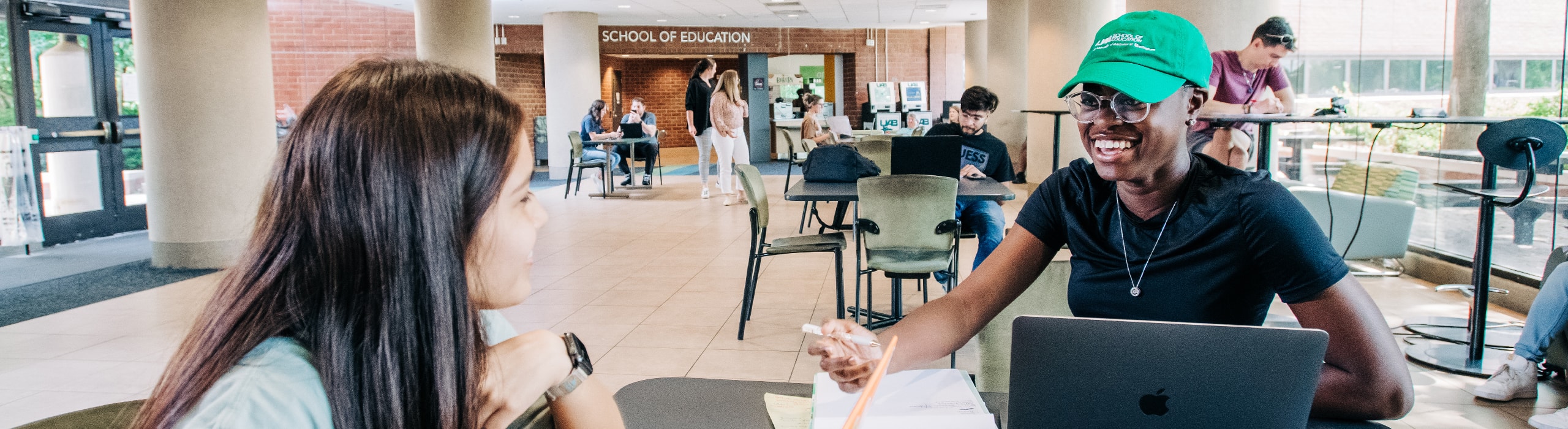
Our school boasts a dedicated faculty and staff who invest a significant amount of time and effort in conducting groundbreaking research. This page aims to showcase some of our exceptional faculty and staff members’ outstanding research.

Shelby Osburn, PhD
Research Interests: Skeletal muscle physiology; Molecular biology; Regulation of the non-coding genome; Exercise and other healthy lifestyle interventions
Methodological Interest/Expertise: Quantitative methodologies: bioinformatics, single target molecular techniques, exercise performance"My primary research focus revolves around skeletal muscle physiology. I use an omics approach to understand how skeletal muscle health and function changes with age and how healthy lifestyle interventions like exercise and supplements can mitigate this decline. I am particularly interested in the role the non-coding genome (transposable elements, TEs) plays in these changes and adaptations. Another focus is how skeletal muscle can communicate with the brain, and how extracellular vesicles (EVs) can act therapeutically to facilitate communication and promote healthy outcomes from active, exercised muscle."
Recent Publications: Osburn SC, Easterday D, McEntee CM, Latham A, Lark DS, McGrath S, Moreno J, LaRocca TJ. Canine Cognitive Dysfunction is Associated with Alzheimer’s Disease-Related Changes in the Brain and Plasma Extracellular Vesicle Transcriptome. Brain Pathology. 2025.Osburn SC, Smith ME, Wahl D, LaRocca TJ. Novel effects of reverse transcriptase inhibitor supplementation in skeletal muscle of old mice. Physiol Genom. 2025.
Ruple BA, Carlini NA, Kofoed JS, Rostamkhani H, Hanson BE, Wilcox I, Craig JC, Osburn SC, Drumond MJ, Broxterman RM, Trinity JD Transcriptomic analyses of peripheral blood mononuclear cells reveal age-specific basal and acute exercise responsiveness differences in humans. Am J Physiol Endocrinol Metab. 2025.
Check out Dr. Osburn's Scholar Page for more information
So Yeon Lee, PhD
Research Interests: Academic motivation, motivational interventions, motivationally supportive instructional practices, peer effects and social influences, identity development, STEM Education
Methodological Interest/Expertise: Quantitative methodologies (survey research; variable-oriented approaches, person-oriented approaches), Scoping/Systematic Review and Meta-analysis, Qualitative methodology"My primary research focuses on how student motivation changes over time and how different contexts (e.g., peers, parents, schools) shape these changes. While my training has been primarily quantitative, I also use qualitative methodologies, such as narrative inquiry and case study approaches, to better understand students’ experiences and how the contexts they are situated in influence their motivation."
"Another line of my research examines how individuals form identities and beliefs about intelligence. I am particularly interested in how students come to see themselves as capable or incapable in academic domains, often reflected in statements like “I am not a math person” or “I am not smart enough to do this.” My work also aims to design interventions that support more adaptive beliefs about intelligence and promote positive changes in students’ motivation and academic identities."
Check out Dr. Lee's Scholar Page for more information
Faculty Research Interests and Methodological Preferences
Our School encourages students to explore the diverse research strengths and methodological approaches of our faculty as they prepare for thesis and dissertation work. Each faculty member brings a unique combination of scholarly interests, theoretical perspectives, and preferred research methodologies and methods, offering students a wide range of potential mentors and committee members. We invite you to review our faculty’s research profiles below to learn more about the expertise available and to identify faculty whose interests align with your own academic goals.
Faculty Research Interests and Methodological Preferences Opens an external link.
Get Started
Faculty and Staff interested in research can access this Box Folder which contains templates and resources for research support.
Research Resources and Templates Opens an external link.
The Research Office provides personalized guidance and support, helping faculty, staff, undergraduate, and graduate students:
- Identify research mentors and projects
- Gain experience in data collection, analysis, and presentation
- Share and publicize research results through conferences or publications
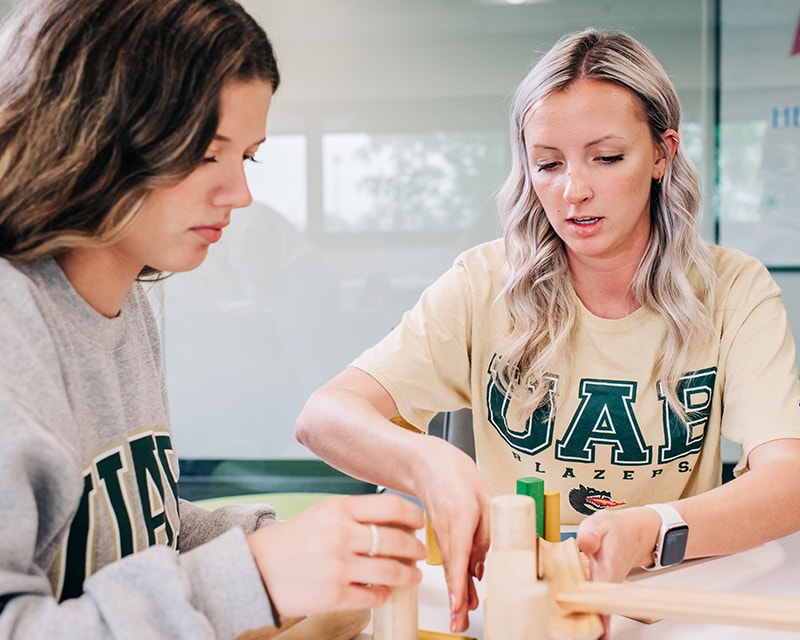
Research Opportunities at the UAB School of Education and Human Sciences (SEHS) Undergraduate and graduate students in the UAB School of Education and Human Sciences (SEHS) are expected to take part in meaningful research experiences. So, whether you are just beginning your academic journey or preparing for advanced study, SEHS offers a variety of ways to get involved in research. Such as,
- Students can contact the Research Office to learn about current research opportunities.
- Undergraduate students admitted to an honors program can engage in research through their program’s structured activities.
- Graduate students enrolled in programs requiring a thesis or dissertation will gain hands-on research experience as part of their coursework.
- Students should also consider reaching out to their program faculty to see if there is an opportunity to contribute to one of their current research projects! You can review faculty research interests and methodological preferences on our Faculty Research page.
Get Started
Students interested in research can access this Box Folder which contains templates and resources for research support.
Research Resources and Templates Opens an external link.
The Research Office provides personalized guidance and support, helping undergraduate and graduate students:
- Identify research mentors and projects
- Gain experience in data collection, analysis, and presentation
- Share and publicize research results through conferences or publications
Students – Have you published or presented at a conference?
Students who have presented their research OR published an article need to submit their work here for institutional acknowledgement and as part of our research and publication auditing process related to institutional accreditation.
Submit Your Work Opens an external link.
-
 Interim Assistant Dean of Research and Graduate Programs Mary Ann Bodine Al-Sharif
 -
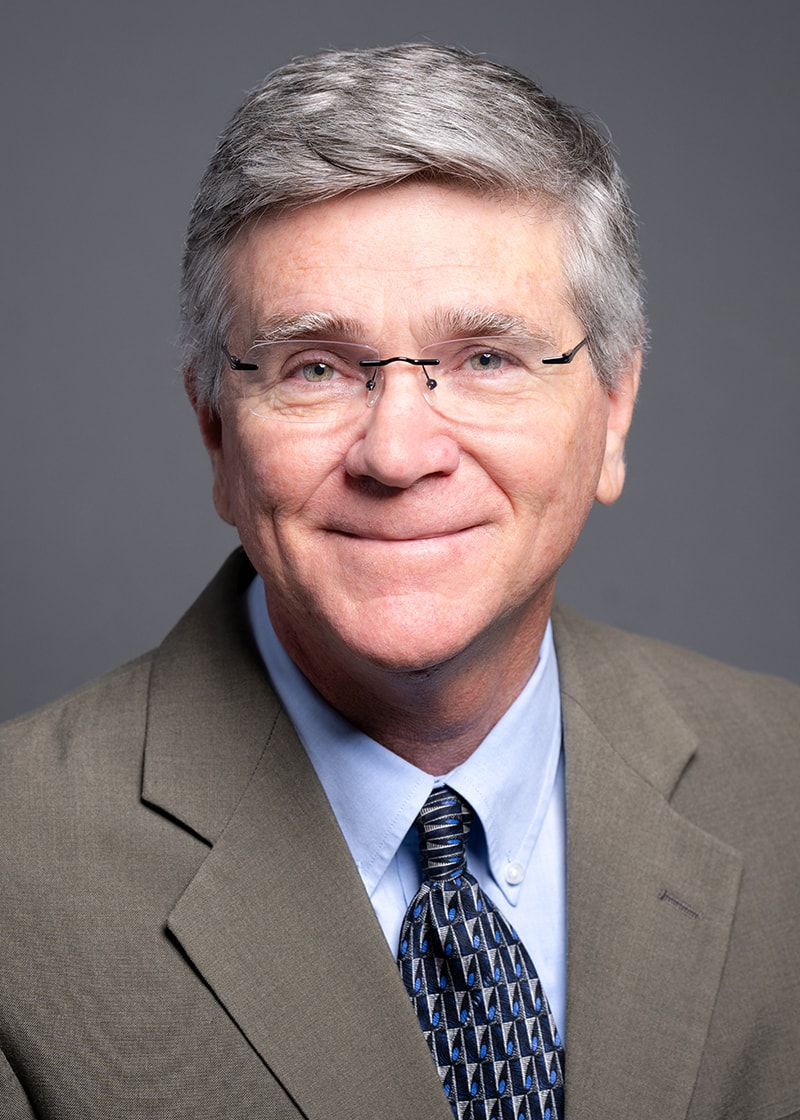 Program Director II Lawrence Moose
Our School offers a variety of research labs that give students meaningful opportunities to engage deeply in scholarly work, collaborate with faculty, and build practical research skills. Whether you’re exploring ideas for future projects or preparing for thesis and dissertation work, participating in a lab provides hands-on experience, mentorship, and a supportive community of peers. These spaces allow students to develop their methodological expertise, contribute to ongoing research, and grow as emerging scholars across diverse areas of study.

Resistance Exercise Physiology Laboratory
Director: Christopher Ballmann, PhD
This state-of-the-art research lab is equipped with custom power racks, calibrated competition plates, a lifting platform, and multi-use training equipment. The lab is roughly 750 square feet. It is designed to accommodate everything from athletes completing Olympic power lifts to training clinical populations with exercise intolerance.
From a performance perspective, the primary metrics that we monitor are movement velocity, muscle force production, isometric strength, dynamic muscular strength/endurance, explosive ability, vertical jump, power development, plyometric performance, and reaction time. From the clinical side, we assess functional movement ability, limb strength asymmetry, balance, and exercise tolerance. We collect blood and urine for hormone and protein analysis following resistance exercise and training.
The lab also serves as a classroom to support hands-on experience with resistance exercise and strength assessment for students in the kinesiology program. The lab emphasizes the inclusion of underrepresented populations in resistance exercise research including females and athletes with disabilities.

C-QuIL
Director: Mary Ann Bodine Al-Sharif, PhD
C-QuIL is a space that fosters high-quality research capacity building for students at an inter/national level through in-person and online collaborative efforts. Through C-QuIL, the School of Education and Human Sciences can strive to advance critical qualitative and quantitative inquiry toward innovation, equity, and justice in the context of educational practice and policy.
Goals:
- To support capacity building for inter/national research within the SEHS
- To aid in advancing innovative, critical, qualitative, and quantitative methodologies
- To provide a space for critical discourse related to developing one’s research agenda
- To support graduate students in thesis and dissertation work
- To foster and support graduate students with interdisciplinary research work
- To provide 1-on-1 and small-group research support
- To further critical inquiry
Wilkinson Wellness Lab
Director: Larrell L. Wilkinson, PhD, MSPH, CHES®
The Wilkinson Wellness Lab features a team of social/behavioral scientists and community health & human services students working to encourage individuals, families, organizations, and communities to adopt healthier lifestyles for optimal living. “The Lab” serves as a conduit for Dr. Larrell Wilkinson and his team to perform health education/promotion applied research through community assessment, data analysis, health communication, social marketing, and entertainment-education.
Goals:
- To complement classroom-based learning with practical experiences in health education/promotion research and community development
- To facilitate community-based participatory research approaches in support of improving health and well-being outcomes in communities
- To implement innovative 21st Century health promotion strategies toward improving health and well-being outcomes in communities
- To foster and support graduate students’ research interests in interdisciplinary efforts to address societal concerns
- To facilitate graduate students’ thesis and dissertation efforts
- To support advancing research interests among undergraduate students

Exercise and Nutritional Physiology Laboratory
Director: Gordon Fisher, PhD
This 900-square-foot facility, located in the Education and Engineering Complex, is equipped to study metabolic and cardiovascular regulation in blood, skeletal muscle, adipose, and liver tissue. Dr. Fisher's research focuses on the role of reactive oxygen species, mitochondrial dysfunction, and markers of inflammation in the pathogenesis of chronic metabolic diseases associated with obesity.
Our students have access to Oroboros Oxygraph-2k with DatLab software, a FluoroMate FS-2 Fluorescence Spectrometer, a BioRad Chemidoc XP digital imaging system, a SpectraMax M3 Microplate reader, a Corning Digital Microplate Shaker, a dissecting microscope (Stemi 2000), a Nanodrop Lite Spectrophotometer, a thermocycler (BioRad I-cycler), a 96-well quantitative real-time PRC unit (BioRad), BioRad power supplies, BioRad wet transfer cells, BioRad gel boxes, two PowerGen tissue homogenizers, cell and tissue culture, digital darkroom imaging, analytical balance scale, shakers/rotators, a minus 80°C and a minus 20°C freezer, two 4°C refrigerators, a Variable Flow Peristaltic Pump, and all other equipment necessary for immunoblotting and mRNA expression studies.

Human Performance Laboratory
Director: Gordon Fisher, PhD
The new 1,100-square-foot lab features more than 800 pounds of free weights and high-tech equipment including arm crank and cycle ergometers, computerized treadmills, skinfold calipers, and bioelectrical impedance scales for measuring body composition.
The lab also has a metabolic cart to measure energy expenditure during rest and exercise, portable handheld spirometry for pulmonary assessments, electrocardiography to analyze heart rhythms, pulse wave analysis for measures of vascular health, 24-hr ambulatory blood pressure monitoring systems, and an electromyography system and force platform for assessing motor unit activation during muscle contraction.
Faculty and students within the UAB School of Education and Human Sciences (SEHS) conduct research to understand and seek solutions to current and emerging educational, health, and mental health challenges. This research contributes to the knowledge base and advances our understanding of effective practices. Our researchers engage in interdisciplinary collaborations with colleagues within UAB, nationally, and internationally.
Learn about the Office of Research and Grants
Research and Scholarship Areas
The SEHS represents a wide range of disciplines ranging from early education through higher education, community health, human services, counseling, exercise science and kinesiology, school psychology/psychometry, special education, and instructional design and development.
Our faculty engage in research regarding the preparation of professionals in many of these disciplines, as well as conducting cutting edge research to advance understanding and address challenges in these areas. Currently, faculty engage in research across 13 primary areas of inquiry. Learn more about faculty research areas.
We also encourage research opportunities for both undergraduate and graduate students.
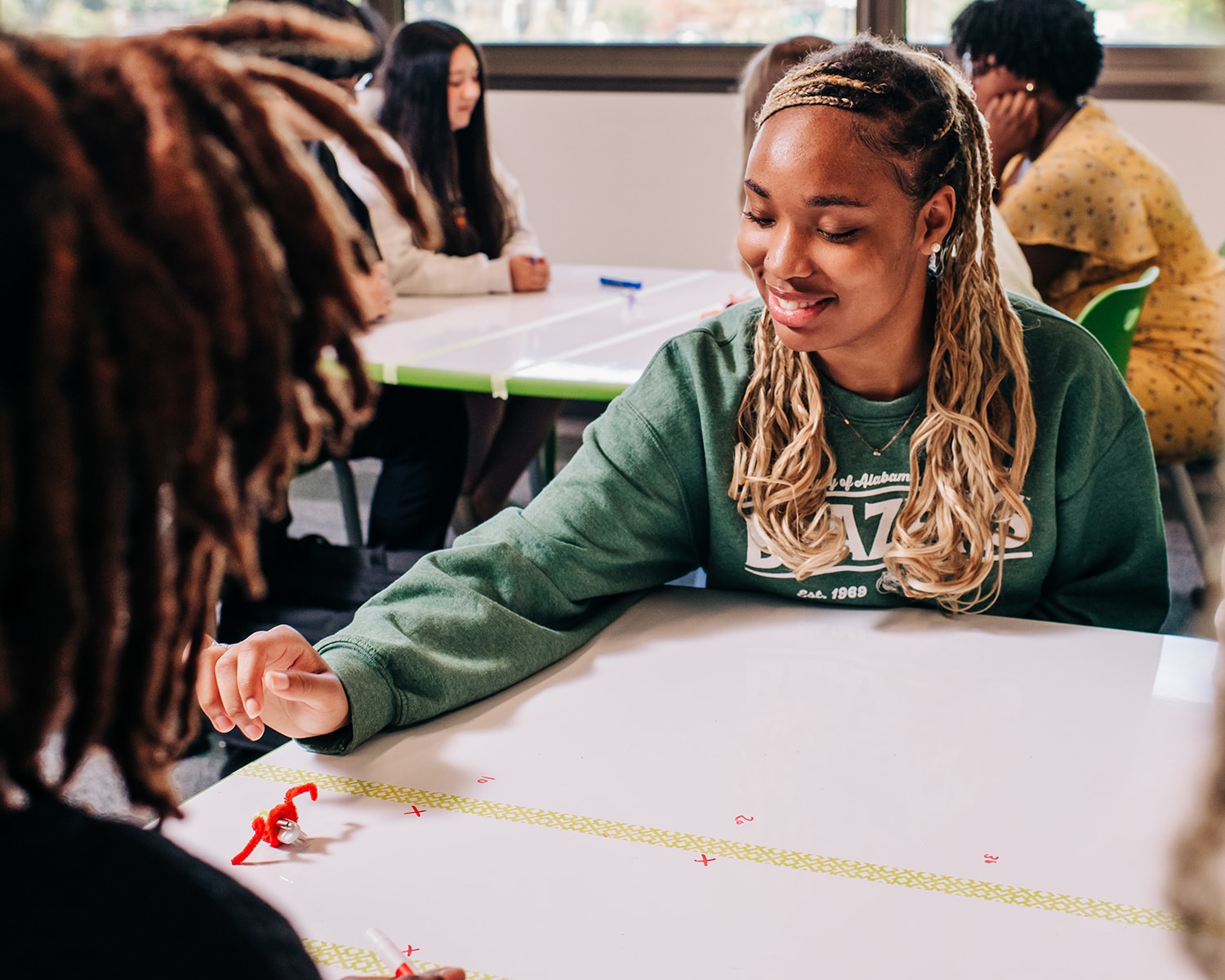
Responsive Workforce Development
Improving the training and performance of professionals working in education (Pre-K through higher education) and health-related fields (counseling, exercise science, community health, human services). Researching best practices in various disciplines and effective teaching strategies for preparing the workforce.
- Pre-K
- EL/DL learners
- STEM
- Reading
- Special Education (transdisciplinary, multi-tiered systems, early intervention, EBD, Autism)
- Urban and minority education
- Students who have experienced adverse childhood experiences
- School and higher ed leaders
- Family-school engagement
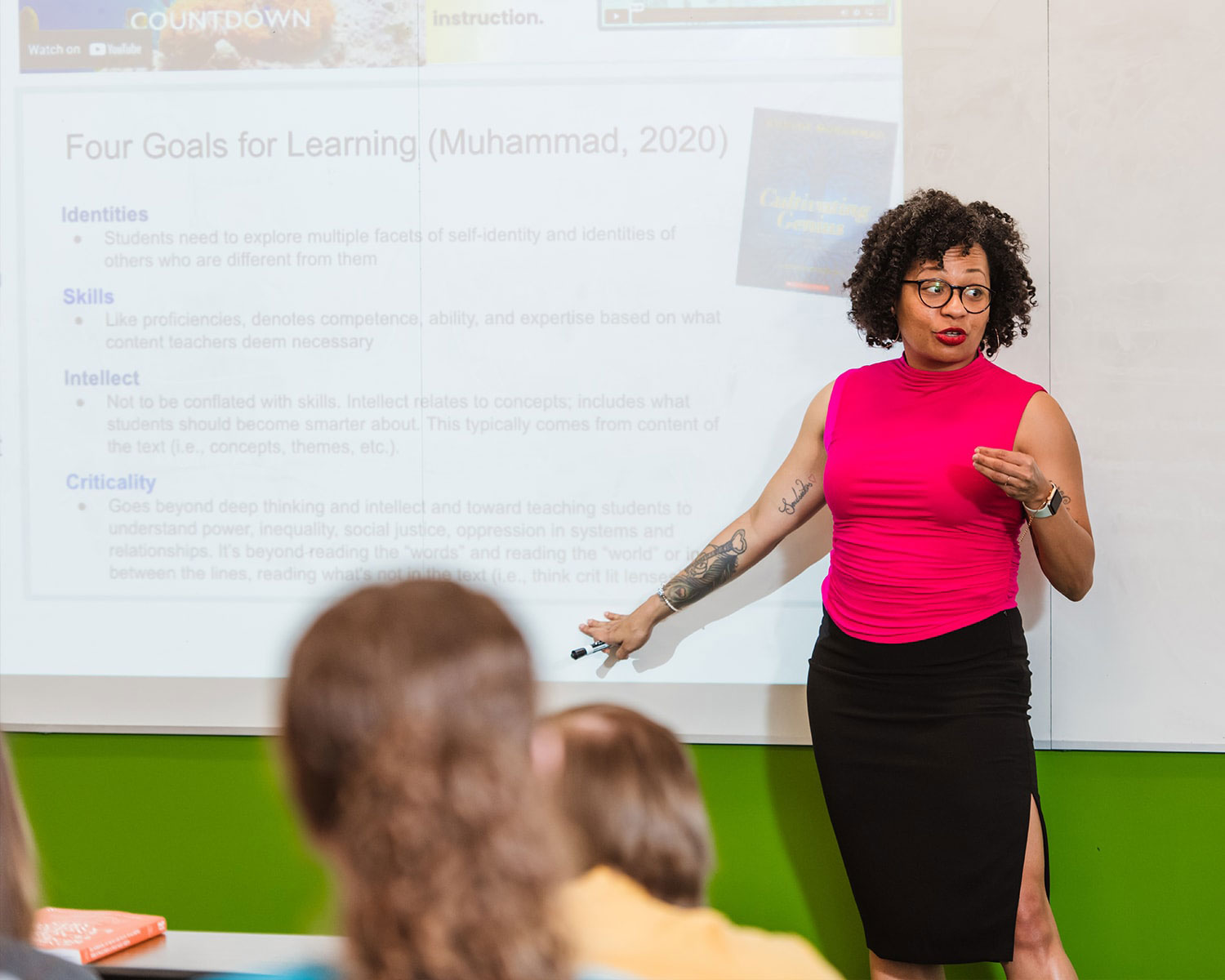
Promoting Equity and Social Justice
Documenting the nature and sources of disparities in access to, and the quality of, education and healthcare. Implementing solutions to such disparities.
- Lessons from social/historical foundations of education
- Identifying and addressing social determinants of health and health disparities
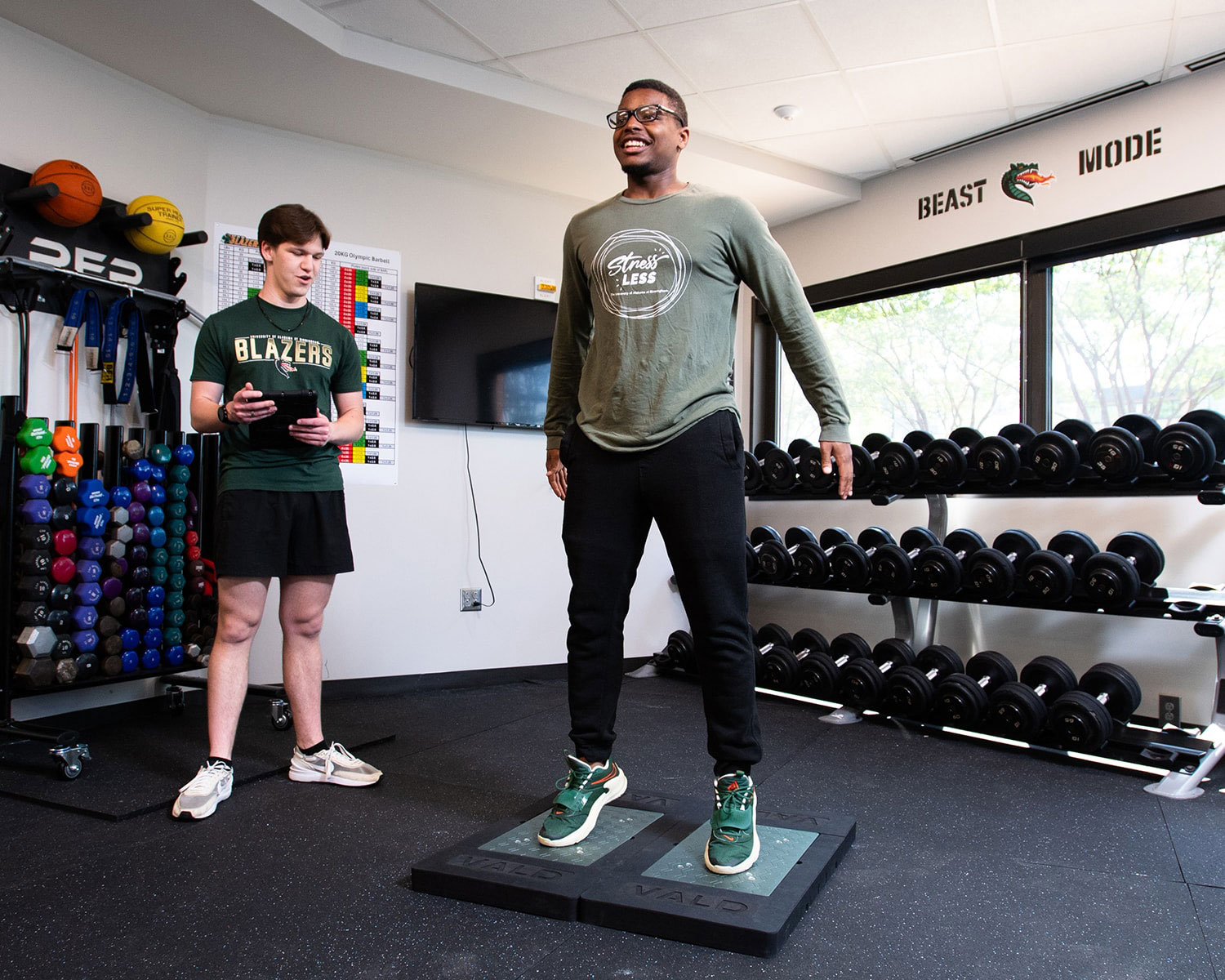
Improving Health and Performance through Exercise
Researching the promotion of health, physical fitness, and functional or occupational performance through exercise and biomechanics.
- Integrating novel modes of exercise with diet to facilitate health outcomes with different disease and injury groups
- Benefits and mechanisms of adaptive PE with autism
- Strength and conditioning
- Sports nutrition and hydration
- Ergonomics and fitness

Global Perspective on Education, Health, Mental Health, and Wellness
Working with international collaborators to provide a global perspective regarding pre-K-12 education, personnel preparation, health education and promotion, kinesiology, social justice, and administration in schools and higher education.
- International perspectives on K-12 education and teacher training
- Global movements in higher education
- Social determinants of health
- College mental health
- Trauma-informed practices
- Counseling sexual minority youth
- Family systems theory
Office of Research and Grants Staff
-
Interim Assistant Dean of Research and Graduate Programs Mary Ann Bodine Al-Sharif
-
Program Director II Lawrence Moose
The Office of Research and Grants provides support to faculty and students in securing and managing external funding for research, training, and creative activities. We are here to assist you through the entire grant lifecycle, including assisting you in finding grant opportunities, developing your proposal, ensuring compliance with related regulations, and managing awarded funds. The UAB School of Education and Human Sciences Office of Research and Grants can assist with:
- Pre-Award Support:
- Funding Identification: Helping researchers locate grants using tools like Pivot-RP .
- Proposal Development: Assisting with crafting, editing, and formatting proposals, including budget justification.
- Compliance Review: Ensuring submissions meet sponsor guidelines.
- Submission: Managing the final submission process for grants, as explained by UAB .
- Post-Award Management:
- Contract Administration: Managing contracts and subcontracts.
- Financial Reporting: Ensuring that financial reporting and compliance are in check.
- Award Monitoring: Tracking grant expenditures and compliance with regulations.
- Research Development & Support:
- Training & Workshops: Offering professional development on grantsmanship and connecting you with institutional resources such as UAB’s REACH program .
- Strategic Planning: Building partnerships with funding agencies and fostering interdisciplinary research and support across UAB .
- Compliance, Ethics, & Other Support: Facilitating Data Use Agreements, Confidentiality Data Agreements, and Faculty Development Grants.
Contacts
-
Interim Assistant Dean of Research and Graduate Programs Mary Ann Bodine Al-Sharif
-
Program Director II Lawrence Moose
Faculty Research Leadership Committee
-
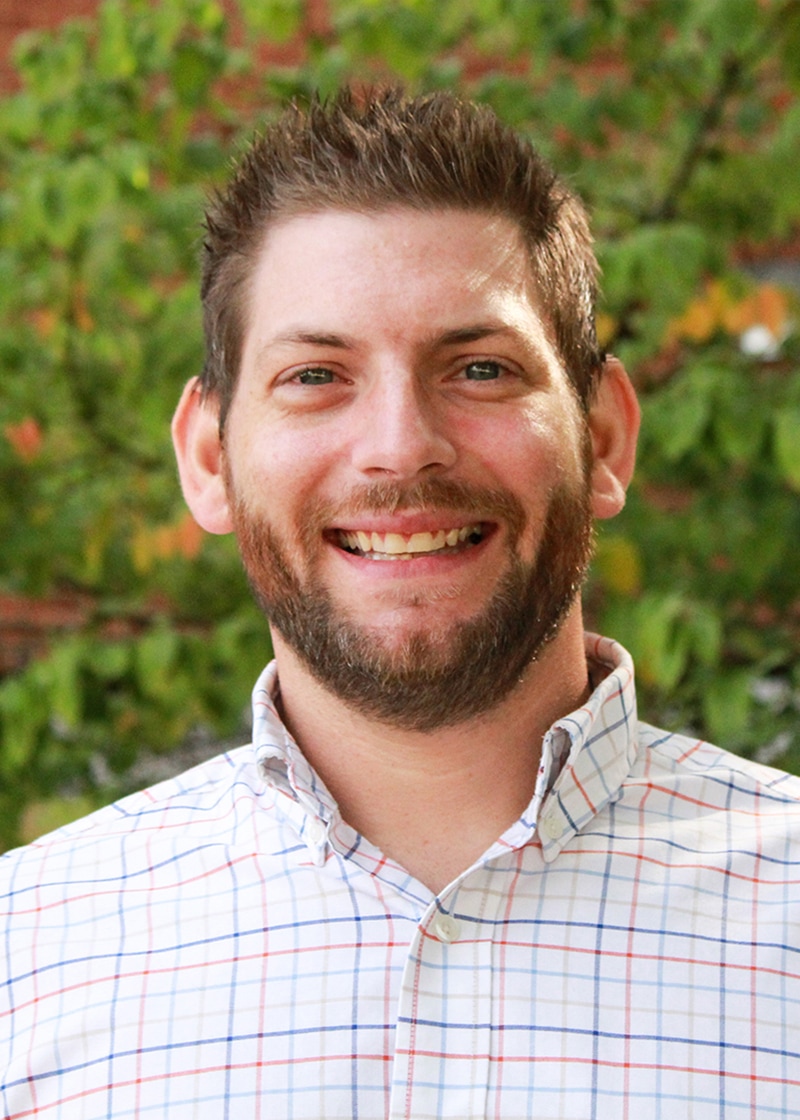 Associate Professor Christopher Ballmann PhD
 -
 Assistant Professor Miyoshi Juergensen PhD
 -
 Associate Professor Jenna LaChenaye PhD, EdS
 -
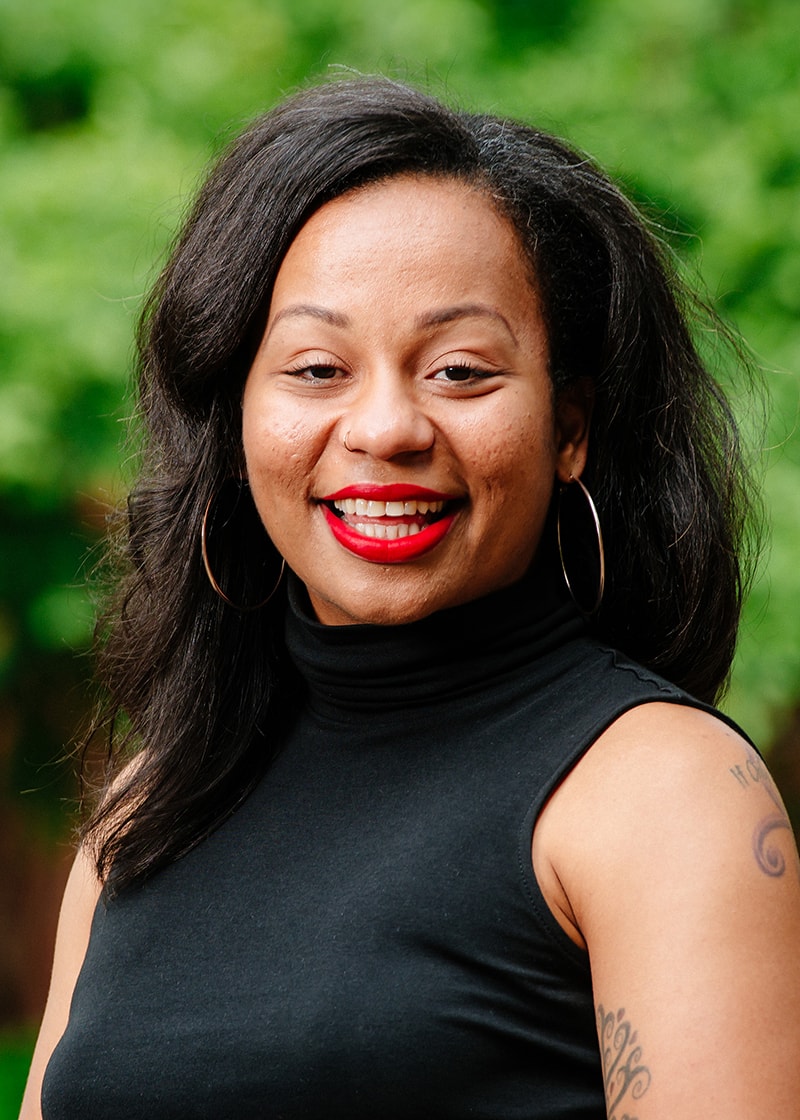 Assistant Professor Teaira McMurtry PhD
 -
 Assistant Professor Mary Rose Sallese PhD
 -
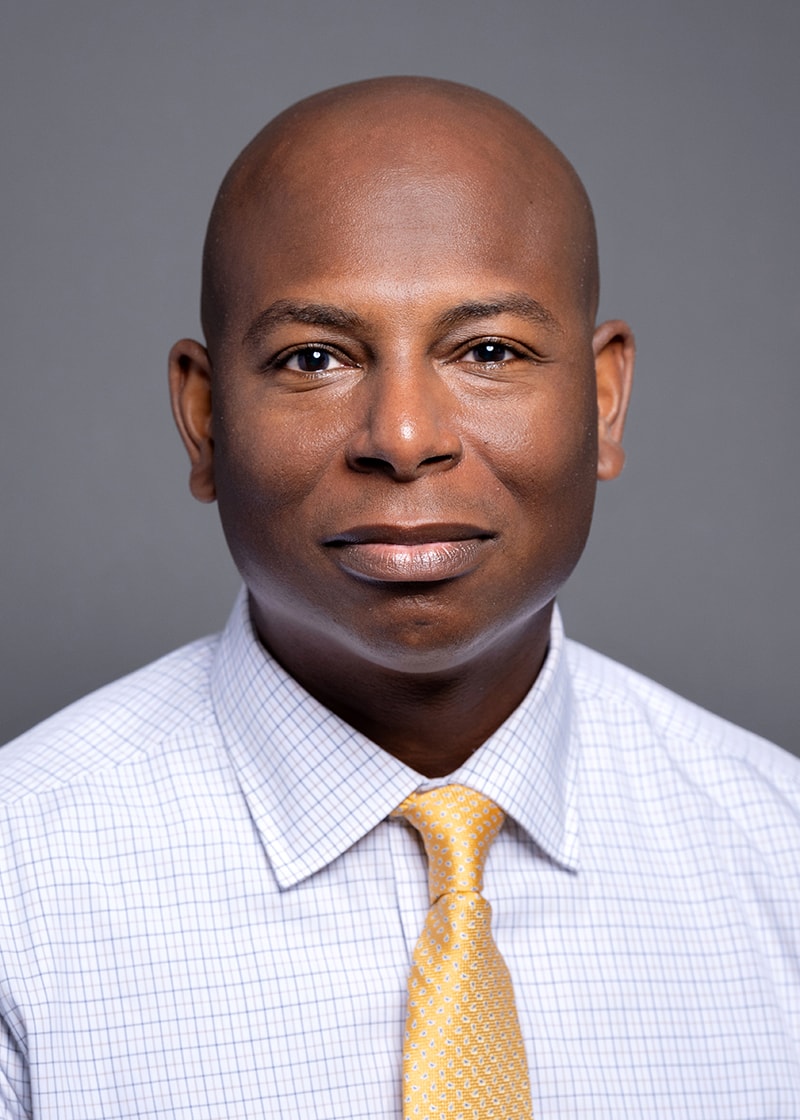 Professor Larrell Wilkinson PhD, CHES